This guide explains how Paychex 401(k) connects with Fidelity and what plan sponsors and participants should evaluate before choosing an investment lineup. It objectively reviews how recordkeeping, employee enrollment flows, fees, and investment menus work across common 401(k) setups. Readers will learn practical conditions, requirements, and decision steps to align retirement outcomes with workplace goals.

If you’re evaluating “Paychex 401(k) Fidelity,” the very important decision points are (1) who serves as the recordkeeper, (2) how investment options are presented through the platform, (3) how contribution elections and payroll remittances are handled, and (4) what fees and account features apply to your specific plan. The phrase often indicates a combined workflow: Paychex supports payroll/plan administration services, while Fidelity may provide recordkeeping and/or participant account capabilities. Your top next step is to verify the plan’s documents and the exact service roles for your employer’s plan—because the experience can look similar at a glance but differ in implementation.
In other words, the words “Paychex” and “Fidelity” can show up together in communications, enrollment paperwork, or employer portals. But the practical retirement-plan outcome is driven by details in the contract and the plan’s governance structure: which entity actually records your transactions, how your deferrals get to the plan, how and when you can make election changes, which investments are available, and what the plan’s true cost structure is.
401(k) plans generally consist of multiple “layers.” A typical arrangement includes plan administration support (often connected to payroll), plan recordkeeping (where participant accounts are maintained), and investment management (handled by the underlying investment providers). When people search for “Paychex 401(k) Fidelity,” they are usually trying to confirm which layer Fidelity supports for a plan administered through Paychex services.
Paychex is widely known as a payroll and HR services provider. In the retirement-plan context, it may offer plan administration tools and support that coordinate payroll contributions, enrollment data, employee plan communications, and eligibility information. Depending on the contract, Paychex may also support or facilitate certain operational tasks like data feeds, contribution file creation, employee status updates, and administrative recordkeeping for certain plan events.
Fidelity, in many employer-plan ecosystems, is associated with recordkeeping and participant-facing account tools. Recordkeeping is the function that tracks your contributions, allocations, investment movements, statements, and many online account features. Recordkeeping also typically includes transaction processing rules, website/app user experiences, customer service workflows, and reporting data used by plan sponsors and advisors.
However, “Paychex 401(k) Fidelity” can be shorthand. Different employers can structure vendor relationships differently—even when the words look the same in a search query. Some employers may use Paychex for payroll administration but outsource recordkeeping to Fidelity. Others may use Fidelity as a recordkeeper while still using a payroll/benefits administration platform branded by an employer service provider. In some cases, there may be multiple service relationships (e.g., a separate third party for plan testing or compliance support). Because of this variability, “keyword matching” is a weak method for determining what services you truly have.
For an objective comparison, focus on the actual service arrangement stated in your Summary Plan Description (SPD) and the recordkeeping disclosures. In many plans, these documents will clearly identify the recordkeeper, list the investment lineup, define the plan’s eligibility and contribution rules, and explain how participants can make elections and request distributions. If your plan uses Fidelity’s recordkeeping, it will usually be evident in the participant-facing account statements and online login materials. If Paychex supports administration, it may be described in administrative communications or in sponsor-facing paperwork that describes payroll processing and eligibility data handling.
The day-to-day impact of the Paychex–Fidelity relationship is often felt through:
For experts who advise plan sponsors, the very common pitfall is evaluating the “brand pairing” rather than the contract specifics. It’s easy to assume that if a plan uses Paychex and Fidelity, then “everything is smooth.” But retirement-plan operations can vary even within the same brand ecosystem. Cutoff dates, election processing rules, data quality, and participant notification workflows can differ based on plan design, payroll schedule, and contract language.
Think of retirement-plan operations like a pipeline: payroll deductions must be captured accurately; elections must be transmitted correctly; investment allocations must be calculated; and transactions must be processed according to rules. The “Paychex” part of the pipeline and the “Fidelity” part of the pipeline can be strong or weak independently. A good setup is one where the chain of handoffs is accurate and predictable—so participants get reliable posting of contributions and clear access to transaction functionality.
When readers ask about “price information,” the conversation often turns to whether there are separate charges from payroll/administration services and recordkeeping services, plus ongoing investment expense ratios. Because costs vary by plan size, customizations, and contract structure, it is not appropriate to publish a universal price. Instead, you should examine the plan’s fee disclosures and understand the fee sources.
In objective terms, 401(k) costs commonly include:
Here’s why fee comparison is tricky: a plan might have low “headline” recordkeeping fees, but the investment menu might carry higher expense ratios than an alternative lineup. Conversely, a plan might offer lower-cost funds but assess recordkeeping or administrative fees that show up as plan expenses. Additionally, the “participant experience” can be connected to cost in subtle ways—for example, whether the recordkeeper supports self-directed brokerage features, automatic enrollment workflows, or sophisticated transaction processing tools.
Expert note: If you compare two plans, compare them using the fee disclosure documents and, where available, the plan’s benchmarking or platform cost summary—then examine whether the investment lineup is cost- and risk-appropriate for your workforce.
To make fees concrete, you should ask: What is the annual cost to run the plan administration and recordkeeping? How are those costs collected—are they paid from plan assets, charged to participants, or both? What fees are embedded inside the investments? Are there any additional expense layers for employer stock funds, managed accounts, stable value products, or brokerage windows? If managed accounts are offered, there may be an additional advisory fee schedule. If a plan includes a loan program with servicing charges, those could show up as separate costs.
Even if you can’t quote an exact dollar amount without the disclosures, you can still use a disciplined approach: compare the disclosed “expense types” and ensure you understand which costs are normal and which are optional. The more clearly the plan documents explain fees and the easier it is to locate and interpret fee information, the more transparent your plan is likely to be in practice.
For many participants, the investment menu and the ease of managing accounts matters more than the vendor names. In a “Paychex 401(k) Fidelity” setup, Fidelity’s recordkeeping platform may provide a structured participant workflow, such as target-date fund recommendations, allocation screens, and rebalancing tools.
From an industry perspective, the evaluation should include:
These elements impact retirement outcomes by influencing portfolio construction, behavior, and the timing of contribution and allocation changes.
Let’s make “menu functionality” more practical. Participants often interact with their 401(k) account through common actions: changing deferral percentages, selecting investments for future contributions, moving existing balances among funds, requesting loans, and initiating distributions when eligible. A recordkeeping platform can make these actions straightforward or confusing depending on design. For example:
Even if you love the investment lineup, a weak platform can cause errors or delays. For example, a participant may submit an allocation change but not understand when it takes effect. Or they may have trouble locating confirmation of elections. Those friction points can lead to unintended contribution allocation outcomes. A robust recordkeeping experience tends to reduce the gap between participant intent and the executed action.
In addition, “default investment” is not just a menu item; it’s a behavioral anchor. Many participants do not actively choose investments at the beginning. If your plan uses a QDIA for automatic enrollment, you should understand whether that QDIA is a target-date series, a balanced fund, or another qualified option. You should also understand how age-based glide paths are defined and whether the default suits your workforce demographics.
Payroll integration is a quiet but substantial part of plan performance. If Paychex is supporting administrative coordination, then enrollment data, contribution elections, and payroll remittance cycles may flow through defined processes.
What to ask (or verify in plan materials):
Because timing rules are contract-specific, the top practice is to reconcile payroll deduction amounts with account statements to understand the actual posting behavior for your plan.
Timing also affects participant decision-making. Consider these real-world scenarios:
A well-designed administration process includes clear communication. Participants should be able to find election confirmations, settlement timing explanations, and reporting that matches payroll. If there are recurring mismatches between payroll deductions and account postings, that might indicate a data transmission or processing issue that needs sponsor attention.
From the plan sponsor perspective, payroll integration reliability matters for fiduciary oversight. It can affect whether the plan accurately tracks contributions, whether the plan remits amounts within required timelines, and whether participant elections are implemented correctly. Sponsors typically have governance obligations to monitor service providers and ensure that operational handoffs are executed properly.
In procurement and plan governance discussions, “supplier details” should be framed as accountability: who is responsible for what. Rather than assuming Paychex and Fidelity do everything, identify the responsible party for each operational area.
Common categories to map to vendors:
This role-based approach also helps participants when they have a problem: the fastest resolution typically occurs when you contact the correct party for the specific issue.
To make this operationally useful, participants can follow a “diagnostic” approach:
For sponsors, the same logic applies. Good governance includes service-level monitoring and clear escalation pathways. Sponsors may request periodic service reporting, confirm data processing accuracy, and evaluate responsiveness to participant issues.
Because “Paychex 401(k) Fidelity” can sometimes be used as a shorthand by participants, it’s especially important for the plan sponsor to communicate clearly to employees who to contact for what. A simple “who to call” guide can reduce friction and improve participant outcomes.
401(k) plan administration operates under federal rules, including requirements related to disclosure, fiduciary standards, eligibility, and contribution handling. The objective takeaway is not that “one vendor is better,” but that plan governance must align with compliance obligations, and vendors must execute accurately under those obligations.
For general regulatory context, readers may consult:
Source note (reliability): The U.S. Department of Labor and IRS are authoritative sources for retirement-plan compliance frameworks.
It’s helpful to understand what compliance “means” in day-to-day plan administration. Compliance isn’t only about the big annual filings; it’s also about operational processes such as:
When Paychex and Fidelity are involved, compliance obligations extend across the entire operational chain. If Paychex transmits payroll and election data to Fidelity’s system, both processes must support accurate recordkeeping. If Fidelity’s platform handles transactions, it must implement participant instructions properly and reflect them in statements and reports. In short, compliance is a joint outcome of the service design and the governance oversight.
Also, fiduciary standards apply to the plan sponsor and any plan fiduciaries. The presence of reputable vendors does not automatically satisfy fiduciary duties. Sponsors must monitor investment lineups, review fee reasonableness, evaluate service provider performance, and ensure plan operations adhere to plan documents and regulations.
Below is a structured supplement to help you evaluate a “Paychex 401(k) Fidelity” arrangement in a practical, governance-minded way. This section rephrases the additional information as a comparison table, step-by-step guide, and conditions/requirements. (No links are included in the table.)
| Evaluation Area | Paychex-Related Considerations | Fidelity-Related Considerations | What to Verify in Plan Documents |
|---|---|---|---|
| Recordkeeping & Statements | Payroll/HR workflow may affect data flow to the recordkeeper. | Recordkeeping platform and participant account access. | Who maintains the participant accounts and issues official statements. |
| Enrollment & Contribution Elections | How employee elections are captured and transmitted. | How elections are reflected on the participant platform. | Eligibility, enrollment timing cutoffs, and effective date rules. |
| Investment Menu | May influence how defaults and communications are configured. | Provides or supports the fund lineup through the recordkeeping interface. | List of investment options and the QDIA/default investment used for automatic enrollment. |
| Plan Fees & Cost Disclosures | Administrative support charges may be present. | Recordkeeping fee structure may be present. | Fee disclosure statements and how expenses reduce returns. |
| Participant Support | HR contact path for eligibility and administrative questions. | Call center and online transaction support. | Service channels, hours, and escalation procedures. |
| Loans, Distributions, Withdrawals | Payroll mechanics may affect processing. | Loan administration and distribution workflow rules. | Loan terms, repayment rules, and distribution eligibility timelines. |
While the table gives a snapshot, a complete evaluation often needs additional “operational” questions. For example:
To add depth to the same step-by-step method, consider a “test the system” approach for participants:
This kind of due diligence helps ensure the plan operates as advertised. If you discover unexpected delays or confusing behavior, you can address it with HR or the recordkeeper—before it matters more (for example, near retirement, after a job change, or when taking a distribution).
Additionally, in real operational terms, several requirements usually exist even if they are not stated in plain language on participant materials:
When these are working well, participants experience a plan as “predictable.” When they break down, participants may see posting delays, incorrect balances, missing transaction history, or unclear instructions. Those symptoms should prompt the sponsor to evaluate operational performance and escalate to the appropriate vendor.
Specialists who advise retirement plan sponsors typically evaluate more than the user interface. They look at operational reliability (data accuracy, processing timelines), disclosure quality (clarity of participant communications), investment governance (fiduciary process and menu construction), and service escalation pathways.
Because 401(k) plans vary widely by workforce size, employee tenure patterns, and contribution behaviors, the “top” setup depends on alignment between plan design and participant needs. This is also why “Paychex 401(k) Fidelity” should be treated as a clue to the operational architecture—not as a standalone metric of quality.
Experts often evaluate recordkeepers using a structured framework. While the exact framework varies, it often includes:
From a compliance standpoint, experts also evaluate whether service providers support fiduciary obligations. For example, a recordkeeper might provide tools to support automatic enrollment with a compliant default investment, or it might provide reporting that helps sponsors complete nondiscrimination testing. If there are other service providers for plan testing, the sponsor should ensure responsibilities are clearly separated and coordinated.
Finally, experts consider the “whole plan” rather than only recordkeeping. A strong recordkeeping platform cannot fix an investment lineup that lacks diversification or contains higher-cost options without a reason. Likewise, a low-cost investment menu cannot compensate for operational problems that lead to posting errors, election misprocessing, or poor communication.
If you are a participant and you want to ensure your account experience aligns with your retirement goals, consider this checklist:
To expand that checklist into a more “workflow-aware” approach, add these participant actions:
Even for participants who don’t intend to change investments frequently, a quick annual “health check” can prevent future surprises. For example, confirm that your deferral rate still reflects your preferences, and ensure that your account shows the correct investment percentages.
It typically refers to a 401(k) plan environment where Paychex supports payroll or administrative coordination, and Fidelity supports recordkeeping and/or participant account services. The exact responsibilities depend on your employer’s plan contract and disclosures.
In practice, the phrase may appear because your enrollment is facilitated through an employer-administered benefits portal or because your statements and account access are handled by the recordkeeper. But the only “truth” is in the plan documents and the disclosures tied to your specific plan.
In very setups, the plan sponsor (with fiduciary responsibility) selects the investment options. Fidelity often provides platform access and operational support for those options. The final investment lineup and any default investment rules are defined by plan governance and plan documents.
Even when the recordkeeper offers fund platforms, the sponsor decides which funds are included, what the default/QDIA is, and how the lineup fits the plan’s demographics. If your plan has target-date funds, for example, the sponsor determines the glide path series and lineup composition. The recordkeeper then implements those choices in the account interface.
You can compare fees, but the correct method is to use your plan’s official fee disclosures and investment expense ratios. Fees can vary significantly by plan size and negotiated arrangements. Using a disclosure-based comparison is the very accurate approach.
When comparing, focus on categories (recordkeeping/admin fees, investment expense ratios, any additional participant charges, and any managed account/advisory fees if offered). If the plan includes brokerage or additional investment services, it may also have transaction fees or other charges.
Enrollment and deferral changes usually follow payroll cutoffs and effective-date rules. You should check the plan’s election timing provisions and then validate by comparing your payroll deductions with the participant account postings after the change.
Because each plan defines cutoff times and effective-date rules differently, the “how” might differ for different employers. Some plans allow certain election changes to apply to the next payroll period, while others require waiting one additional payroll cycle.
Participants commonly use the recordkeeper’s online account tools (often associated with Fidelity when Fidelity is the recordkeeper). HR/payroll support may handle eligibility questions, while recordkeeping services handle account transactions and statement access.
For some actions, your HR team might provide forms or administrative steps (for example, certain distribution paperwork or eligibility verification). But the transaction execution—especially investment exchanges, loan processing, and allocation changes—is typically performed within the recordkeeper’s system.
Loan availability and withdrawal eligibility depend on the plan document. If loans are offered, Fidelity’s platform (as recordkeeper, in many cases) may administer the process, while payroll mechanics may handle repayments. Always review plan rules before acting.
Also consider that loans and withdrawals can have tax implications. While plan rules govern eligibility, tax consequences may depend on the timing of the distribution, whether it’s a hardship distribution, and whether a loan is repaid on schedule. If you have questions, it’s wise to review plan statements and consult a tax professional if needed.
Review the SPD, plan fee disclosures, investment fund lineup materials, and any participant notices that identify the recordkeeper and default investment. These documents are the very reliable sources for role clarity.
Additionally, you can confirm by checking your account login materials, your online statements, and the fund transaction history. If your employer uses Paychex administration, you may also see references to payroll processing cutoffs or election confirmation workflows in employer communications.
Sponsors can assess governance processes (investment selection criteria, periodic monitoring), disclosure clarity, service reliability, and how participant outcomes are supported (e.g., default investment suitability, ease of transaction processing, and responsiveness). Vendor brand names are insufficient without evidence from plan documentation and service performance.
For fiduciary oversight, sponsors may also consider whether the recordkeeper supports compliance needs (like nondiscrimination testing data readiness, participant fee disclosure obligations, and accurate record maintenance) and whether operational issues are resolved quickly and thoroughly when they arise.
For objective, compliance-related background, rely on authoritative U.S. government and regulatory materials such as:
For plan fee structure and participant cost disclosures, use your plan’s official disclosures, since negotiated costs and presentation vary by employer and contract terms.
In general, the most reliable “sources” for your own plan are the documents directly issued or referenced by your employer’s plan and the statements produced by the recordkeeper. Search results, blog posts, and keyword-based statements may be directionally useful but should not be treated as substitutes for plan-specific disclosures.
When you search for “Paychex 401(k) Fidelity,” you’re often trying to understand the practical reality of how your workplace retirement plan operates. The very dependable way to evaluate the arrangement is to confirm recordkeeping responsibilities, validate enrollment and processing timelines, compare fees using official disclosures, and review the investment lineup with your risk and retirement horizon in mind. With that checklist approach, you turn a keyword query into an evidence-based decision.
Ultimately, the “best” setup is the one that works reliably for your specific plan design. It’s not about whether Paychex or Fidelity is the “right” brand—it’s about whether payroll integration is accurate, the recordkeeper posts transactions predictably, the investment lineup is appropriate and understandable, participant features are usable, and the plan’s fee structure is transparent and reasonable. If you can document those elements through your plan documents and account experience, you can make confident decisions about your 401(k) without relying on assumptions.
Striking the Perfect Balance: Navigating Premiums and Out-of-Pocket Expenses in Senior Insurance Plans

Explore the Tranquil Bliss of Idyllic Rural Retreats

How to Make Lasting Memories at Disneyland Attractions

4rkojvsx Technology: Industry Insights and Buying Guide

Affordable Phones and Plans for Seniors

Affordable Full Mouth Dental Implants Near You

Unlock the Top Kept Secrets to Finding Your Ideal Dentist for Flawless Dental Implant Results!

Discovering Springdale Estates

Unveiling RS Sul Telecom Services


Delving into Worldline Issuing
In the evolving realm of digital payments, Worldline Issuing stands at the forefront, providing seamless and secure solutions for card issuance and management. As the payments industry transitions towards more efficient and customer-centric practices, Worldline Issuing offers a comprehensive suite of services tailored to the needs of financial institutions and end-users, enhancing both operational efficiency and security.
Understanding Worldline Issuing Solutions
Dive into the realm of Worldline Issuing, a cornerstone in the fintech landscape that facilitates secure and efficient digital payment solutions. Worldline has established itself as a key player by offering sophisticated tools to streamline financial transactions, thereby enhancing consumer convenience and fostering secure monetary operations worldwide through innovative issuing services.
The Comprehensive Guide to Corpay.com
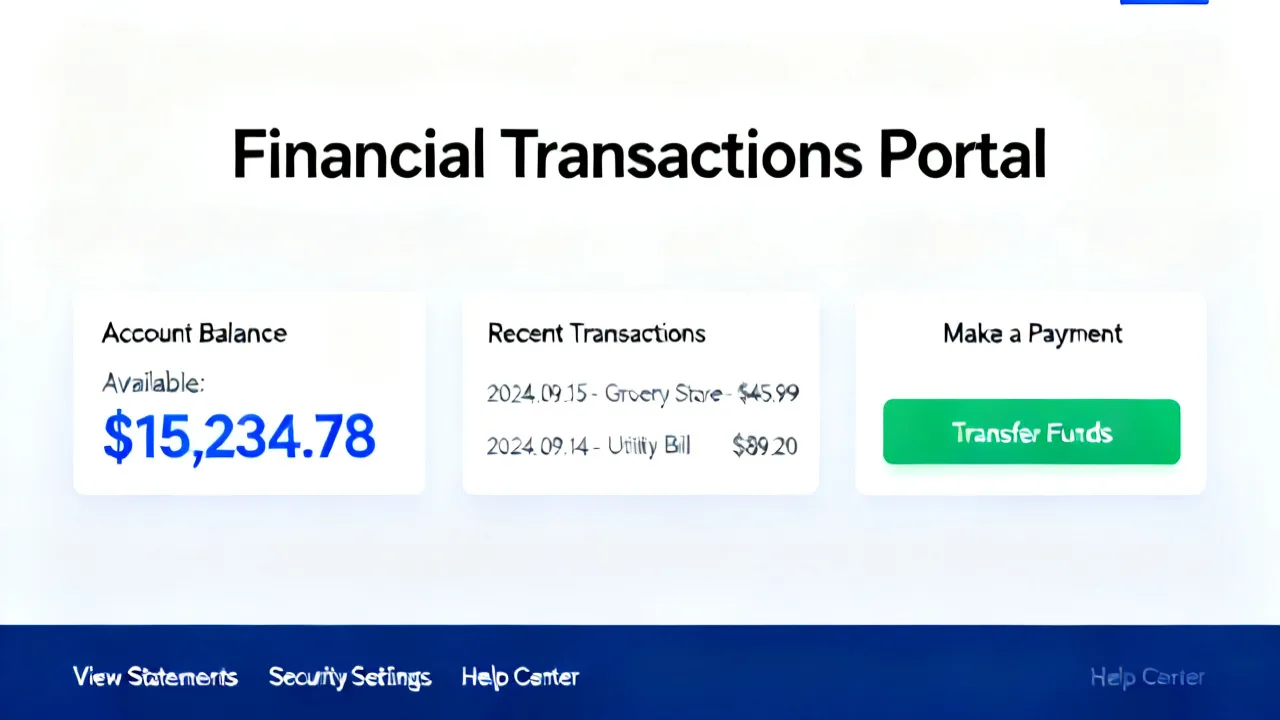
This article delves into the features and benefits of Corpay.com, a key player in the financial transaction space. Known for its innovative solutions, the website offers robust tools for managing financial transactions, making it a valuable resource for businesses and individuals alike seeking efficiency and reliability in managing their financial operations. Explore its offerings to gain a deeper understanding of its industry impact.

Understanding Lifetime Benefits Solutions and How to Choose Wisely
This guide explains how to evaluate Lifetime Benefits Solutions services with a practical, objective lens. It outlines what the keywords typically refer to in benefits planning, why customers compare providers and pricing structures, and how to approach decisions responsibly. You’ll also find a conditions checklist, a comparison table framework, and a set of FAQs to support informed next steps.
Understanding the Impact of 0009968545
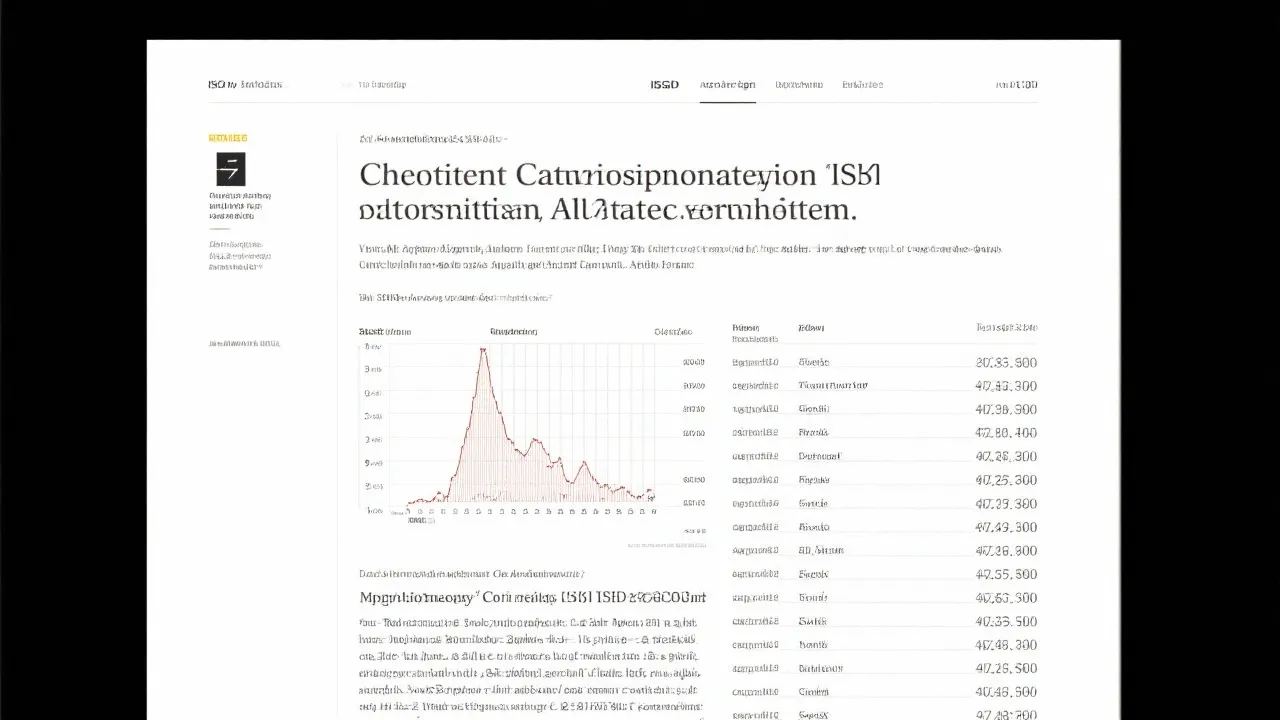
This article explores the significance and implications of the keyword '0009968545' within industry and academia. Although '0009968545' might appear as an abstract sequence of numbers to the unaccustomed eye, it potentially represents an International Standard Book Number (ISBN) that could be a crucial reference for numerous academic publications. This analysis examines the potential contexts and influences of this code, offering insights from an expert's perspective.

Digio Livelo: How It Works and What to Compare
Digio Livelo is top understood by comparing how earning, redemption, and service terms align with your goals. This guide explains the background of points-and-rewards ecosystems, typical partner mechanics, and decision factors such as fees, eligibility, transfer rules, and support quality. It’s an objective overview to help you evaluate fit with care.
